
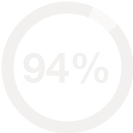
 Success Rate:
Read Now
Success Rate:
Read Now
Success Rate:
Read Now
Success Rate:
Read Now
Navigate the complex terminology of recovery with our comprehensive guide to addiction, mental health, and medical terms.

The 12 Steps of AA are a set of guiding principles published by Alcoholics Anonymous in 1939. They outline a structured path through recovery built on honesty, self-examination, amends, and ongoing personal accountability, supported by connection to a Higher Power as the individual defines it.
2C-B (4-bromo-2,5-dimethoxyphenethylamine) is a synthetic psychedelic and entactogen originally synthesized by chemist Alexander Shulgin in 1974. It produces a combination of visual hallucinations, heightened sensory perception, emotional openness, and mild stimulation, effects that place it between MDMA and LSD in user descriptions. 2C-B is a Schedule III controlled substance in Canada.
Adderall is a brand-name prescription stimulant containing a mixture of amphetamine salts, available in both immediate-release and extended-release formulations. It is a Schedule II controlled substance in Canada, a classification that reflects its high potential for abuse and dependence.
Attention deficit hyperactivity disorder (ADHD) is a neurodevelopmental condition marked by persistent inattention, hyperactivity, and impulsivity that interferes with daily functioning. It affects roughly 5% of children and 2.5% of adults worldwide, though many adult cases go undiagnosed, particularly in women, where symptoms present more as internal restlessness than overt hyperactivity.
Adult Children of Alcoholics (ACA) refers both to people who grew up in households affected by alcoholism or other dysfunction and to the 12-step fellowship that supports them. Clinically, growing up under a parent’s addiction affects emotional regulation, attachment, self-worth, and relational patterns into adulthood.
Alcoholic hepatitis is acute inflammation of the liver triggered by prolonged, heavy alcohol consumption. It sits on a spectrum between early fatty liver disease and end-stage cirrhosis, and unlike fatty liver, which can reverse with abstinence. The condition can appear after years of steady drinking or flare suddenly after a period of especially intense use.
Alcoholics Anonymous is a free, peer-led fellowship of people recovering from alcohol addiction. Founded in 1935 by Bill Wilson and Dr. Bob Smith, AA operates through local meetings held worldwide, in person and online, where members share their experiences and support each other’s sobriety using the 12-step framework.
Alcoholism is a chronic condition marked by compulsive alcohol consumption, loss of control over intake, and continued drinking despite physical, psychological, and social harm. The DSM-5 classifies it on a spectrum from mild to severe based on the number of diagnostic criteria met.
Antidepressants are medications that alter neurotransmitter activity in the brain to relieve symptoms of mood and anxiety-related psychiatric conditions. They are not addictive, they do not produce euphoria, activate the reward circuit, or create cravings, but they carry dependence potential – abrupt discontinuation after weeks of use can trigger a withdrawal-like syndrome.
Behavioural patterns are sequences of action that the brain automates through repetition (cue, routine, reward) until they fire with little or no conscious decision-making. In addiction, these patterns are what turn voluntary substance use into compulsive substance use: the behaviour runs on a loop reinforced thousands of times by chemical reward, stress relief, or the removal of physical discomfort.
Benzodiazepines are a class of sedative-hypnotic medications prescribed for anxiety disorders, insomnia, seizure control, muscle spasms, and alcohol withdrawal management. They work fast, they work reliably, and they create physical dependence within weeks of daily use, making them one of the most difficult prescription drug classes to discontinue safely.
Binge eating disorder (BED) is the most common eating disorder. It is defined by recurring episodes of consuming large quantities of food in a short period, accompanied by a sense of loss of control, without compensatory purging. A formal diagnosis requires at least one binge episode per week for three months, along with marked distress about the behaviour.
Biphentin is a Canadian brand of controlled-release methylphenidate prescribed for attention and impulse-control deficits in children, adolescents, and adults. 40% of the dose releases immediately, and the remaining 60% releases gradually over 10 to 12 hours, delivering a fast-acting boost at the start of the day with sustained coverage through the afternoon.
Borderline personality disorder is a psychiatric condition rooted in instability. Moods that crash and spike within hours, a self-image that fractures under pressure, relationships that flip between worship and rage, and impulses that override judgment before the person registers what they’re doing.
Cirrhosis is the end stage of chronic liver damage, the point at which so much healthy tissue has been replaced by scar tissue (fibrosis) that the organ loses its ability to filter toxins, produce clotting proteins, and regulate metabolism. Alcohol is the second most common cause of cirrhosis.
Cocaine is a potent plant-derived stimulant that produces a brief spike of euphoria, sharpened alertness, and inflated confidence. Wearing off within 30 to 90 minutes, depending on the route of administration. It is a Schedule I controlled substance in Canada and one of the most commonly treated stimulant dependencies in the world.
Cocaine slang is the informal vocabulary people use to talk about the drug without naming it directly. These terms show up in texts, social media, and overheard conversations, and recognizing them gives parents, educators, and clinicians an early signal that use may be happening. Some of this language has circulated since the 1970s.
Cognitive-behavioural therapy is a structured, evidence-based form of psychotherapy that helps people identify, challenge, and change the distorted thinking patterns and learned behaviours that drive substance use. In addiction treatment, CBT targets the automatic thoughts and triggers that lead to cravings and relapse.
Concerta is the brand name for extended-release methylphenidate, a stimulant used to treat attention and impulse-control deficits in children, adolescents, and adults. OROS (Osmotic Release Oral System) technology gradually releases methylphenidate over 10 to 12 hours, maintaining focus without the peaks and troughs of immediate-release formulations.
Corticosteroid therapy is the medical use of synthetic hormones that mimic cortisol(the body’s natural anti-inflammatory) to treat swelling, immune overreaction, and organ inflammation. Their role is to manage medical complications that arise from prolonged substance use or that surface during recovery.
“Cortisol addiction” is a popular term (not a clinical diagnosis) used to describe a pattern where a person becomes psychologically dependent on the heightened arousal and urgency that chronic stress produces. The term captures a real phenomenon, but the science is better described through the lens of chronic stress dysregulation and its connection to addiction vulnerability.
Crack cocaine is a freebase form of cocaine made by cooking powder cocaine with baking soda and water into solid “rocks” that are smoked. Smoking delivers cocaine to the brain within seconds, faster than snorting, producing an intense but short-lived euphoric rush lasting 5 to 10 minutes. Extreme intensity and rapid offset make crack one of the most addictive drugs.
D.A.R.E. (Drug Abuse Resistance Education) is a school-based prevention program founded in 1983 by the Los Angeles Police Department in partnership with the Los Angeles Unified School District. It places uniformed law enforcement officers in classrooms to teach students about the dangers of drug and alcohol use, with the goal of preventing substance use before it starts.
DayQuil is an over-the-counter daytime cold and flu medication that contains a pain reliever, a cough suppressant, and a nasal decongestantmbut no alcohol and no sedating antihistamine. It is marketed as the “non-drowsy” option, yet it still carries misuse potential tied to its cough-suppressant ingredient.
A digital detox is a deliberate period of reduced or eliminated use of smartphones, social media, and internet-connected devices. In addiction recovery, the term applies both to the technology-restricted environment of residential treatment and to the broader recognition that compulsive screen use can share behavioural patterns with substance addiction.
Fentanyl is a lab-made opioid that hits mu-opioid receptors with 50 to 100 times the strength of morphine and 30 to 50 times the strength of heroin. Pharmaceutical versions still exist, such as Duragesic patches, Actiq lozenges prescribed for post-surgical and severe chronic pain.
FOMO (fear of missing out) is a persistent sense of anxiety that others are having rewarding experiences from which you are absent. Popularized as a social media term, FOMO has clinical relevance in addiction because it acts as both a trigger for initial substance use and a relapse driver during recovery.
Gabapentin (Neurontin) is an anticonvulsant and analgesic originally developed for epilepsy and now prescribed widely for neuropathic pain, postherpetic neuralgia, restless legs syndrome, and off-label for anxiety and alcohol withdrawal. It modulates calcium channels and increases GABA turnover, though its exact action on the brain is not fully mapped.
Heroin is a semi-synthetic opioid that triggers a powerful rush of euphoria within seconds, followed by hours of heavy sedation, dulled pain, and emotional numbness. Among commonly used street substances, it carries one of the highest overdose death rates.
Hydroxyzine is a first-generation antihistamine that doubles as an anxiolytic and a mild sedative. It is prescribed for anxiety, insomnia, pre-surgical calming, and allergic reactions. It reduces agitation without causing euphoria, reward circuit activation, or physical reliance, making it useful in addiction treatment.
The hypothalamic-pituitary-adrenal axis(the HPA axis) is the body’s central stress-response circuit. It runs a three-step hormonal cascade that ends with the adrenal glands releasing cortisol, which mobilizes energy, suppresses inflammation, and sharpens focus. Once the threat passes, cortisol feeds back to the brain to shut the cascade down.
Impulse control is the capacity to pause between an urge and an action, to recognize a craving, weigh the consequences, and choose not to act on it. When impulse control is intact, a person can feel the pull of a substance and still walk away. When it is compromised, the urge and the action collapse into a single event.
Individual therapy in addiction treatment is a private, one-on-one session between a client and a licensed therapist focused on uncovering the root causes of substance use, building coping skills, and addressing co-occurring mental health conditions. It provides the depth and confidentiality that group settings cannot.
Inpatient rehab is a residential addiction treatment program where a person lives on-site and receives structured clinical care around the clock, including medical supervision, individual therapy, group counselling, and psychiatric support. It separates the addict from their environment and delivers the most severe addiction treatment outside a hospital.
Intervention counselling is a professionally guided conversation designed to help a person with addiction recognize the impact of their substance use and agree to enter treatment. A trained interventionist prepares the family beforehand, facilitates the meeting, and has a treatment plan ready to activate the moment the person says yes.
A lifetime aftercare program is a post-treatment support structure that provides ongoing access to therapy, peer connection, clinical check-ins, and crisis resources for as long as needed, with no end date. It exists because addiction is a chronic condition, and the risk of relapse doesn’t disappear when residential treatment ends.
A lifetime family program is a structured support offering that provides ongoing therapy, education, and crisis resources to the families of people in addiction recovery, for as long as they need it. It recognises that addiction damages entire family systems, not just the person using, and that lasting recovery depends on healing those relationships too.
Lisdexamfetamine dimesylate (sold as Vyvanse) is a prescription stimulant approved in Canada for attention deficit hyperactivity disorder in children, adolescents, and adults, as well as moderate-to-severe binge eating disorder in adults.
LSD (lysergic acid diethylamide) is a potent synthetic psychedelic that produces dramatic changes in perception, mood, and thought at microgram-level doses. It is a Schedule III controlled substance in Canada.
Lyrica is the brand name for pregabalin, an anticonvulsant prescribed for nerve pain, seizure disorders, and certain anxiety conditions. It reaches high peak blood levels quickly, produces euphoria at supratherapeutic doses, and is a Schedule V controlled substance in the United States, Canada has not scheduled it federally, though monitoring is increasing.
MDMA is a synthetic compound that works as both a stimulant and an empathogen, amplifying feelings of emotional closeness, euphoria, heightened energy, and intensified sensory input. It forces the brain to release multiple neurotransmitters simultaneously, producing a high that is both energizing and emotionally intense.
A medical detox program is a clinically supervised setting where a person withdraws from drugs or alcohol under the care of physicians and nurses who manage symptoms with medication, fluids, and continuous monitoring. It is the safest entry point into addiction treatment for anyone with physical dependence.
Mental health supports are the clinical services, therapies, and interventions designed to treat psychiatric conditions that exist alongside substance use disorders. In addiction treatment, they are the layer that determines if a person stays sober after discharge or cycles back into use.
Mescaline is a naturally occurring psychedelic compound found in several species of cacti native to the Americas, where it has been used in Indigenous ceremonial practice for thousands of years. In Canada, mescaline is a Schedule III controlled substance; possession and distribution outside authorized religious or research contexts are illegal.
Metabolic resistance (also called metabolic tolerance or pharmacokinetic tolerance) is the body’s adaptation to repeated drug exposure in which the liver ramps up its production of the enzymes responsible for breaking down that substance. As a result, the drug is cleared from the bloodstream faster with each use, and less of it reaches the brain.
Methamphetamine is a potent synthetic stimulant that produces intense euphoria, surging energy, and a sense of invincibility lasting 8 to 12 hours per dose. Its extreme potency and long duration of action make it one of the most difficult stimulant addictions to treat.
Methylphenidate is a central nervous system stimulant and the active ingredient in several widely prescribed medications for attention and impulse-control disorders. It is the most commonly prescribed stimulant in its therapeutic class worldwide and a Schedule III controlled substance in Canada.
Microdosing is the practice of taking sub-perceptual doses of a psychedelic substance on a regular schedule, with the goal of improving mood, creativity, focus, or emotional regulation without producing a full psychedelic experience. The practice has gained mainstream visibility through Silicon Valley culture and online wellness communities, but controlled research remains limited.
Mindfulness therapy in addiction treatment uses meditation, body awareness, and present-moment attention exercises to help people observe cravings, emotions, and triggers without automatically acting on them. It teaches the user to recognize, name, and let go of their feelings to retrain the reactive cycle that drives substance use.
Nicotine addiction is physical and psychological dependence on nicotine. The compound reaches the brain within 10 to 20 seconds of use, and its short half-life (about two hours) creates a reinforcement cycle of dosing and withdrawal that repeats dozens of times daily.
Non-stimulants are substances that do not primarily activate the central nervous system. In addiction care, the term covers a broad category including depressants, opioids, and certain medications prescribed for conditions where a stimulant isn’t appropriate.
Nutritional support in addiction treatment refers to structured dietary care, such as meal planning, supplementation, and clinical monitoring, designed to restore the physical health that chronic substance use has degraded. Most people entering treatment are malnourished, deficient in key vitamins, and carrying metabolic damage that affects mood, cognition, and energy.
NyQuil is an over-the-counter cold and flu medication whose liquid formulation contains a pain reliever, a cough suppressant, a sedating antihistamine, and 10% alcohol by volume as a combination that makes it relevant in addiction treatment.
Opioid medications are prescription painkillers that reduce nervous system pain by binding to brain and spinal cord mu-opioid receptors. The class includes short-acting and extended-release compounds with a wide potency range. As directed for acute or palliative pain, they meet a therapeutic need. They are among the most addictive drugs when overdosed.
Outpatient care for addiction is structured treatment, therapy, group sessions, medical check-ins, and psychiatric support. The treatment is delivered on a scheduled basis that allows the person to continue living at home, working, and maintaining family responsibilities. It offers clinical support without removing someone from daily life.
An overdose happens when someone takes more of a substance than their body can break down or survive, and the toxic load begins shutting down organs, slowing breathing to a stop, or triggering cardiac arrest. Any psychoactive substance can cause one – street drugs, prescription pills, alcohol, or a mix of all three.
PCP (phencyclidine) is a synthetic dissociative drug originally developed as a surgical anaesthetic, then abandoned for human use due to severe post-operative delirium and psychotic reactions. It produces a unique combination of dissociation, hallucination, pain suppression, and unpredictable aggression that sets it apart from other psychoactive substances.
Phone addiction describes a pattern of compulsive smartphone use that a person cannot control despite negative effects on sleep, attention, relationships, work, and mental health. Not a formal DSM-5 or ICD-11 diagnosis, it falls under the broader category of problematic internet use and shares neurobehavioural features with recognized behavioural addictions.
Phospholipid therapy is an integrative treatment that delivers phosphatidylcholine and other phospholipids(the primary structural components of cell membranes) through oral supplements or intravenous infusion. In addiction medicine, it is used in some private clinics to restore liver cells and brain membranes damaged by prolonged alcohol or drug use.
Polysubstance use is the consumption of more than one psychoactive substance, either simultaneously or in close sequence, to enhance, offset, or modulate their combined effects. It is not a niche pattern. The majority of overdose deaths in North America now involve multiple substances, and most people entering addiction treatment report histories with more than one drug.
Poppers are inhaled liquid compounds sold in small bottles that produce a brief euphoric head rush, muscle relaxation, and blood vessel dilation lasting 30 seconds to 2 minutes. They are sold legally in many jurisdictions under misleading product labels but are used recreationally.
Porn addiction describes a pattern of compulsive, uncontrollable pornography consumption that persists despite negative consequences to relationships, work, mental health, and daily functioning. It is recognized internationally as a form of compulsive sexual behaviour and shares neurobiological features with both substance use disorders and other behavioural addictions.
Prednisone is a synthetic corticosteroid that suppresses inflammation and immune response. It is prescribed for a wide range of conditions – asthma, rheumatoid arthritis, lupus, inflammatory bowel disease, allergic reactions, and organ transplant rejection prevention. Prednisone mimics cortisol, binds to glucocorticoid receptors, and reduces immunological pathways.
Prednisone withdrawal is the set of symptoms that emerge when a person who has been taking prednisone for an extended period reduces the dose too quickly or stops abruptly. Prednisone does not produce euphoria or activate the reward circuit. When external corticosteroids are discontinued, the adrenal glands, repressed for weeks or months, cannot produce enough cortisol.
Prescription stimulants are medications that increase dopamine and norepinephrine activity in the brain to improve attention, focus, and impulse control. The most commonly prescribed are amphetamine-based drugs and methylphenidate-based drugs. When used as prescribed, they are effective and well-studied. When misused, they carry real addiction potential.
Psychological withdrawal refers to the emotional, cognitive, and behavioural symptoms that emerge when a person stops using a substance or compulsive behaviour they have come to depend on for emotional regulation. It operates through mood disruption, cravings, and disordered thinking, not measurable physiological signs.
Psychotherapy in addiction treatment refers to structured, evidence-based therapeutic work aimed at changing the thoughts, emotions, and behaviours that sustain substance use. It goes deeper than coping-skill instruction, targeting the psychological architecture that made addiction possible in the first place.
A rehabilitation program for addiction is a structured course of clinical treatment designed to help a person stop using substances, address the causes behind their use, and build the skills needed to sustain recovery. Programs range from residential stays lasting 30 to 90 days to outpatient schedules that allow someone to continue working and living at home.
Relapse prevention is a clinical framework, originally developed by psychologist G. Alan Marlatt, that teaches people in recovery to recognize high-risk triggers, manage cravings, and interrupt the chain of events that lead back to substance use. It treats relapse not as a moral failure but as a predictable, preventable clinical event.
Ritalin is the brand name for immediate-release methylphenidate, one of the oldest and most widely prescribed stimulants for attention and impulse-control deficits. Approved in Canada since the 1960s, it is a Schedule III controlled substance, reflecting moderate abuse potential that still requires close monitoring.
Serotonin syndrome is a potentially life-threatening drug reaction triggered when serotonin accumulates to toxic levels in the central nervous system. It is the result of combining drugs that each raise serotonin levels through different pathways, pushing the total beyond the body’s capacity to regulate it.
Sex Addicts Anonymous is a free, peer-led 12-step fellowship for people recovering from compulsive sexual behaviour. SAA applies the framework of honesty, self-inventory, amends, and peer support, adapted for behaviours instead of substances.
SMART Recovery (Self-Management and Recovery Training) is a secular, science-based mutual support program for people recovering from addiction. It uses cognitive-behavioural and motivational techniques to help members build self-empowerment, manage cravings, and maintain balanced living, without the spiritual framework or references to a Higher Power.
SSRIs (selective serotonin reuptake inhibitors) are a group of antidepressant drugs that raise serotonin concentrations in the brain by stopping the neurotransmitter from being recycled back into the nerve cell that released it. The class contains six widely prescribed medications, each with a different half-life and side-effect profile.
Stimulants are a class of psychoactive substances that accelerate central nervous system activity by increasing dopamine and norepinephrine signalling in the brain. The category spans prescription medications, illicit drugs, and everyday compounds. Potent stimulants cause alertness, mood elevation, energy, and hunger suppression, followed by a crash that encourages use.
Sudden sniffing death syndrome (SSDS) is a fatal cardiac event that can occur the very first time a person inhales a volatile substance, or after years of repeated use. The inhalant sensitizes the heart muscle to adrenaline, triggering a lethal arrhythmia. There is no warning and no reliable way to predict who is vulnerable.
Sugar withdrawal refers to the physical and psychological discomfort(cravings, irritability, headaches, fatigue, and mood dips) that some people experience when they sharply reduce or eliminate sugar intake after a period of heavy consumption. Sugar is not addictive, but research reveals it triggers reward pathways like drugs.
A support group in addiction recovery is a gathering, in person or online, where people with shared experience around substance use meet regularly to give and receive encouragement, accountability, and practical guidance. Groups may be peer-led or facilitated by a licensed clinician, and they serve as a long-term anchor for recovery that clinical treatment alone can’t replicate.
Synthetic opioids are lab-manufactured compounds that bind to mu-opioid receptors in the brain, producing pain relief, euphoria, and respiratory depression, the same effects as plant-derived opioids like morphine and codeine, but at dramatically higher potency.
Tetrahydrocannabinol (THC) is the chemical in cannabis that gets people high. It binds to CB1 receptors throughout the brain’s endocannabinoid system, triggering euphoria, altered perception, a sense of relaxation, and a spike in appetite. THC is the molecule that turns casual marijuana use into cannabis use disorder once the pattern becomes compulsive.
The ACOA “Laundry List” is a set of 14 traits that describe common personality and behavioural patterns found in adults who grew up in alcoholic or otherwise dysfunctional households. It functions as a diagnostic mirror, helping people connect their adult struggles to the childhood survival patterns that produced them.
The brain’s reward system is a network of interconnected structures that uses dopamine signalling to reinforce behaviours tied to survival. In addiction, substances flood this circuit with dopamine at levels natural rewards cannot match, rewriting the brain’s priorities and driving compulsive use.
Therapy and counselling in addiction treatment refer to structured sessions – individual, group, or family. This therapy is led by licensed professionals who help a person identify the causes behind their substance use, build coping skills, and develop a plan for sustained recovery.
Venlafaxine (sold as Effexor and Effexor XR) is a serotonin-norepinephrine reuptake inhibitor (SNRI) prescribed for panic disorder, social anxiety disorder, generalized anxiety disorder, and major depressive disorder. It is effective, widely prescribed, and notorious for producing one of the most unpleasant discontinuation syndromes of any antidepressant.
Video game addiction is a pattern of persistent, compulsive gaming that takes priority over other life activities and continues despite negative consequences. It is clinically recognized as a behavioural disorder when the pattern is severe enough to impair personal, social, educational, or occupational functioning for at least 12 months.
Weed withdrawal (clinically termed cannabis withdrawal syndrome) is a recognized set of physical and psychological symptoms that occur when a person who has been using marijuana heavily and regularly reduces or stops intake. The DSM-5 includes cannabis withdrawal as a diagnostic condition, and it affects an estimated 47% of regular users who attempt to quit.
Wellness and recreation in addiction treatment refers to structured physical, creative, and mindfulness-based activities incorporated into clinical programs to restore physical health. It reduces stress and provides clients with healthy sources of pleasure and routine that replace substance use.
Withdrawal from alcohol is the body’s violent reaction to losing a chemical it has learned to depend on. When a heavy drinker cuts back or stops, the nervous system (kept in check for weeks, months, or years by alcohol’s depressive impact) rebounds with excitatory activity that causes tremors, anxiety, nausea, and, in severe cases, seizures and delirium tremens.
YouTube addiction refers to a pattern of compulsive, uncontrollable YouTube use that continues despite negative effects on sleep, work, relationships, and mental health. It is not a formally recognized clinical diagnosis, but it falls under problematic internet use, a behavioural pattern that shares neural and psychological features with substance use disorders.
Sertraline (sold under the brand name Zoloft) belongs to the SSRI class of antidepressants. It carries one of the broadest prescribing profiles in its class, covering mood, anxiety, and trauma-related psychiatric conditions.
Zyn is a brand of tobacco-free nicotine pouch placed between the lip and gum. Each pouch contains synthetic nicotine (not derived from tobacco leaf), flavouring, and a pH-adjusting agent that speeds nicotine absorption through the oral mucosa. Zyn distributes nicotine without smoke, vapour, or tobacco in pouches of 3 mg to 6 mg. Addiction is still possible.
Contact Us


Start Getting Better Now
Fill out the below form and get in touch with
a treatment specialist who can help

Thanks!
We’ll contact your as soon as possible.