
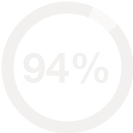
 Success Rate:
Read Now
Success Rate:
Read Now
Success Rate:
Read Now
Success Rate:
Read Now
Navigate the complex terminology of recovery with our comprehensive guide to addiction, mental health, and medical terms.

2C-B (4-bromo-2,5-dimethoxyphenethylamine) is a synthetic psychedelic and entactogen originally synthesized by chemist Alexander Shulgin in 1974. It produces a combination of visual hallucinations, heightened sensory perception, emotional openness, and mild stimulation, effects that place it between MDMA and LSD in user descriptions. 2C-B is a Schedule III controlled substance in Canada.
Alcoholism is a chronic condition marked by compulsive alcohol consumption, loss of control over intake, and continued drinking despite physical, psychological, and social harm. The DSM-5 classifies it on a spectrum from mild to severe based on the number of diagnostic criteria met.
Cocaine is a potent plant-derived stimulant that produces a brief spike of euphoria, sharpened alertness, and inflated confidence. Wearing off within 30 to 90 minutes, depending on the route of administration. It is a Schedule I controlled substance in Canada and one of the most commonly treated stimulant dependencies in the world.
Cocaine slang is the informal vocabulary people use to talk about the drug without naming it directly. These terms show up in texts, social media, and overheard conversations, and recognizing them gives parents, educators, and clinicians an early signal that use may be happening. Some of this language has circulated since the 1970s.
“Cortisol addiction” is a popular term (not a clinical diagnosis) used to describe a pattern where a person becomes psychologically dependent on the heightened arousal and urgency that chronic stress produces. The term captures a real phenomenon, but the science is better described through the lens of chronic stress dysregulation and its connection to addiction vulnerability.
Crack cocaine is a freebase form of cocaine made by cooking powder cocaine with baking soda and water into solid “rocks” that are smoked. Smoking delivers cocaine to the brain within seconds, faster than snorting, producing an intense but short-lived euphoric rush lasting 5 to 10 minutes. Extreme intensity and rapid offset make crack one of the most addictive drugs.
Fentanyl is a lab-made opioid that hits mu-opioid receptors with 50 to 100 times the strength of morphine and 30 to 50 times the strength of heroin. Pharmaceutical versions still exist, such as Duragesic patches, Actiq lozenges prescribed for post-surgical and severe chronic pain.
FOMO (fear of missing out) is a persistent sense of anxiety that others are having rewarding experiences from which you are absent. Popularized as a social media term, FOMO has clinical relevance in addiction because it acts as both a trigger for initial substance use and a relapse driver during recovery.
Heroin is a semi-synthetic opioid that triggers a powerful rush of euphoria within seconds, followed by hours of heavy sedation, dulled pain, and emotional numbness. Among commonly used street substances, it carries one of the highest overdose death rates.
LSD (lysergic acid diethylamide) is a potent synthetic psychedelic that produces dramatic changes in perception, mood, and thought at microgram-level doses. It is a Schedule III controlled substance in Canada.
MDMA is a synthetic compound that works as both a stimulant and an empathogen, amplifying feelings of emotional closeness, euphoria, heightened energy, and intensified sensory input. It forces the brain to release multiple neurotransmitters simultaneously, producing a high that is both energizing and emotionally intense.
Methamphetamine is a potent synthetic stimulant that produces intense euphoria, surging energy, and a sense of invincibility lasting 8 to 12 hours per dose. Its extreme potency and long duration of action make it one of the most difficult stimulant addictions to treat.
Microdosing is the practice of taking sub-perceptual doses of a psychedelic substance on a regular schedule, with the goal of improving mood, creativity, focus, or emotional regulation without producing a full psychedelic experience. The practice has gained mainstream visibility through Silicon Valley culture and online wellness communities, but controlled research remains limited.
Nicotine addiction is physical and psychological dependence on nicotine. The compound reaches the brain within 10 to 20 seconds of use, and its short half-life (about two hours) creates a reinforcement cycle of dosing and withdrawal that repeats dozens of times daily.
Non-stimulants are substances that do not primarily activate the central nervous system. In addiction care, the term covers a broad category including depressants, opioids, and certain medications prescribed for conditions where a stimulant isn’t appropriate.
An overdose happens when someone takes more of a substance than their body can break down or survive, and the toxic load begins shutting down organs, slowing breathing to a stop, or triggering cardiac arrest. Any psychoactive substance can cause one – street drugs, prescription pills, alcohol, or a mix of all three.
PCP (phencyclidine) is a synthetic dissociative drug originally developed as a surgical anaesthetic, then abandoned for human use due to severe post-operative delirium and psychotic reactions. It produces a unique combination of dissociation, hallucination, pain suppression, and unpredictable aggression that sets it apart from other psychoactive substances.
Phone addiction describes a pattern of compulsive smartphone use that a person cannot control despite negative effects on sleep, attention, relationships, work, and mental health. Not a formal DSM-5 or ICD-11 diagnosis, it falls under the broader category of problematic internet use and shares neurobehavioural features with recognized behavioural addictions.
Polysubstance use is the consumption of more than one psychoactive substance, either simultaneously or in close sequence, to enhance, offset, or modulate their combined effects. It is not a niche pattern. The majority of overdose deaths in North America now involve multiple substances, and most people entering addiction treatment report histories with more than one drug.
Poppers are inhaled liquid compounds sold in small bottles that produce a brief euphoric head rush, muscle relaxation, and blood vessel dilation lasting 30 seconds to 2 minutes. They are sold legally in many jurisdictions under misleading product labels but are used recreationally.
Porn addiction describes a pattern of compulsive, uncontrollable pornography consumption that persists despite negative consequences to relationships, work, mental health, and daily functioning. It is recognized internationally as a form of compulsive sexual behaviour and shares neurobiological features with both substance use disorders and other behavioural addictions.
Prescription stimulants are medications that increase dopamine and norepinephrine activity in the brain to improve attention, focus, and impulse control. The most commonly prescribed are amphetamine-based drugs and methylphenidate-based drugs. When used as prescribed, they are effective and well-studied. When misused, they carry real addiction potential.
Psychological withdrawal refers to the emotional, cognitive, and behavioural symptoms that emerge when a person stops using a substance or compulsive behaviour they have come to depend on for emotional regulation. It operates through mood disruption, cravings, and disordered thinking, not measurable physiological signs.
Sudden sniffing death syndrome (SSDS) is a fatal cardiac event that can occur the very first time a person inhales a volatile substance, or after years of repeated use. The inhalant sensitizes the heart muscle to adrenaline, triggering a lethal arrhythmia. There is no warning and no reliable way to predict who is vulnerable.
Sugar withdrawal refers to the physical and psychological discomfort(cravings, irritability, headaches, fatigue, and mood dips) that some people experience when they sharply reduce or eliminate sugar intake after a period of heavy consumption. Sugar is not addictive, but research reveals it triggers reward pathways like drugs.
Tetrahydrocannabinol (THC) is the chemical in cannabis that gets people high. It binds to CB1 receptors throughout the brain’s endocannabinoid system, triggering euphoria, altered perception, a sense of relaxation, and a spike in appetite. THC is the molecule that turns casual marijuana use into cannabis use disorder once the pattern becomes compulsive.
The ACOA “Laundry List” is a set of 14 traits that describe common personality and behavioural patterns found in adults who grew up in alcoholic or otherwise dysfunctional households. It functions as a diagnostic mirror, helping people connect their adult struggles to the childhood survival patterns that produced them.
The brain’s reward system is a network of interconnected structures that uses dopamine signalling to reinforce behaviours tied to survival. In addiction, substances flood this circuit with dopamine at levels natural rewards cannot match, rewriting the brain’s priorities and driving compulsive use.
Video game addiction is a pattern of persistent, compulsive gaming that takes priority over other life activities and continues despite negative consequences. It is clinically recognized as a behavioural disorder when the pattern is severe enough to impair personal, social, educational, or occupational functioning for at least 12 months.
Weed withdrawal (clinically termed cannabis withdrawal syndrome) is a recognized set of physical and psychological symptoms that occur when a person who has been using marijuana heavily and regularly reduces or stops intake. The DSM-5 includes cannabis withdrawal as a diagnostic condition, and it affects an estimated 47% of regular users who attempt to quit.
Withdrawal from alcohol is the body’s violent reaction to losing a chemical it has learned to depend on. When a heavy drinker cuts back or stops, the nervous system (kept in check for weeks, months, or years by alcohol’s depressive impact) rebounds with excitatory activity that causes tremors, anxiety, nausea, and, in severe cases, seizures and delirium tremens.
YouTube addiction refers to a pattern of compulsive, uncontrollable YouTube use that continues despite negative effects on sleep, work, relationships, and mental health. It is not a formally recognized clinical diagnosis, but it falls under problematic internet use, a behavioural pattern that shares neural and psychological features with substance use disorders.
Zyn is a brand of tobacco-free nicotine pouch placed between the lip and gum. Each pouch contains synthetic nicotine (not derived from tobacco leaf), flavouring, and a pH-adjusting agent that speeds nicotine absorption through the oral mucosa. Zyn distributes nicotine without smoke, vapour, or tobacco in pouches of 3 mg to 6 mg. Addiction is still possible.
Contact Us


Start Getting Better Now
Fill out the below form and get in touch with
a treatment specialist who can help

Thanks!
We’ll contact your as soon as possible.