Your information
is 100% confidential
1-855-499-9446
Request a Free Consultation
Your information is 100% confidential
1-855-499-9446 Request a Free Consultation

Opioids Addiction Treatment
Program and Rehab 

Get a deeper understanding of opioid addiction treatment and learn
everything you need to know, from what to expect to the different types
of treatments. 

Opioids Addiction Treatment 
Program and Rehab 

Opioids rewire how your brain processes pain and pleasure. A prescription for post-surgical recovery or chronic pain management can build physical dependence within weeks, and once that dependency takes hold, stopping without medical help feels close to impossible. Your body has learned to rely on the drug to function normally and punishes you with brutal withdrawal when you try to quit.

Canada fills roughly one opioid prescription for every adult each year, and Ontario accounts for a massive share of those numbers. Since 2016, over 53,000 Canadians have died from opioid-related poisonings, where most of them were accidental, many involving fentanyl from the unregulated drug supply. One in nine deaths among Ontarians aged 25 to 34 is now opioid-related.
Professional opioid addiction treatment changes those odds. Medically supervised detox manages the dangerous withdrawal phase, while targeted therapy and long-term aftercare address what drove the dependency in the first place. Recovery from opioids demands more than willpower — it demands the right clinical support at the right time.

Advantages of Our Rehab

At the Canadian Centre for Addictions, we take pride in our rehab accreditation, which ensures that our services meet the highest standards of care, providing you with effective and safe treatment.

  • Accreditation

    Accreditation Canada

    Through our work alongside Accreditations Canada, we have earned the seal of approval from one of the largest and most respected organizations in health and patient care. They proudly endorse Canadian Centre for Addictions and we proudly carry their certification as a promise of quality care to our clients.

    Click for Review
  • Accreditation

    Better Business Bureau

    BBB’s mission is to be the leader in advancing marketplace trust.

    As a premier and professional rehabilitation facility, we are recognized as a top business in our field by the Better Business Bureau. Our dedication to operating as a legitimate and honest addiction treatment center helps us stand out to our community and those we wish to help.

    Click for Review
  • Accreditation

    National Association of Addiction Treatment Providers

    As a member of this respected Canadian organization, we are part of a community of leaders in addiction specialists who put clients first. This helps us stay on top of trends and be a part of a movement of passionate professionals who truly want to make patient care a priority.

    Click for Review

Our Addiction Treatment Programs

Factors That Affect Opioid Addiction

Several factors determine how opioid addiction develops and how a person responds to treatment. Specialists at Ontario rehab centres assess these before designing a recovery plan, because the causes behind your opioid abuse directly shape which interventions will work.


Factors That Affect Opioid Addiction
Prescription History and Pain Management

Most people who develop an opioid habit didn’t start by seeking a high. They started by filling a prescription. Post-surgical painkillers, chronic pain regimens, and injury management protocols can build dependency within just a few weeks of daily use. The type of opioid, the dosage, and duration of use all shape how severe your dependence becomes. Patients prescribed high-potency opioids like fentanyl patches or extended-release oxycodone face steeper withdrawal curves than those using lower-dose, short-acting formulations.

Mental Health and Emotional Pain

Opioids don’t just dull physical pain. They blunt emotional suffering too. People living with untreated depression, anxiety, PTSD, or chronic stress often discover that opioids quiet the noise in their heads. Statistics Canada research found that individuals reporting poor mental health and unmet needs for psychological help were significantly more likely to develop problematic use patterns. Dual diagnosis treatment, addressing both the mental health condition and the addiction at the same time, produces far better outcomes than treating either one in isolation.

Genetics and Family History

Your biology loads the gun. Research estimates that roughly half the risk for developing addiction traces back to genetic factors. If a parent or sibling has struggled with substance dependence of any kind, your brain may be wired to respond more intensely to opioids’ rewarding effects. Genetic variations also influence how quickly your liver metabolizes opioids, which affects tolerance buildup and withdrawal severity.

Social Environment and Access

Communities with higher prescription rates see higher addiction rates. Peer groups where substance use is normalized make it harder to recognize when casual use has crossed into dependency. Unstable housing, unemployment, and poverty compound the problem. Chronic stress drives continued use while limiting access to treatment. Rural Ontario communities face additional barriers, with fewer addiction services available compared to urban centres like Toronto or Ottawa.

Age and Duration of Use

A teenager experimenting with a parent’s leftover Percocet faces different neurological risks than a 55-year-old who’s been managing back pain with opioids for a decade. Younger brains are more vulnerable to the rewiring effects of opioids, and early exposure increases lifetime addiction risk. Longer duration of use, regardless of age, deepens physical dependence and extends the withdrawal timeline.

Previous Substance Use

A history with alcohol, benzodiazepines, or other drugs changes how your brain responds to opioid treatment. Polysubstance use (taking opioids alongside stimulants, sedatives, or alcohol) creates overlapping dependency patterns that complicate detox considerably. About 68% of opioid-related deaths in Canada also involve other substances, most commonly stimulants.

Luxury Facilities at the Canadian Centre for Addiction

If you’re going through a tough time with drug addiction, you don’t have to face it alone. Our Luxury Rehab Centres in Port Hope and Cobourg, Ontario, are quiet, comfortable places where you can take a real break and start fresh. Both locations support people seeking opioid rehab, with discreet intake, medical oversight, and a plan tailored to your goals.

In Port Hope, our private rehab centre feels more like a peaceful retreat. Every room has calming lake views, a fireplace, and multiple decks to relax on. It’s a space to breathe, slow down, and focus on getting better. Alongside fresh, 5-star meals prepared by our chef, you’ll have access to on-site clinicians who understand opioid withdrawal – fatigue, low mood, sleep disruption – and how to manage it safely.

Over in Cobourg, the vibe is just as warm and welcoming. It’s a place where you’ll be supported by people who truly care. We’re here to listen, guide you, and help you feel more like yourself again. Your care may include cognitive behavioural therapy, motivational interviewing, and contingency management – approaches shown to help with opioid abuse.

Each rehab treatment program includes one-to-one therapy, small group work, family support when helpful, and a relapse-prevention plan you can actually use at home. We also coordinate gradual return-to-work strategies for people with heroin or fentanyl addiction, boundary setting, and healthy routines, so you leave with tools that last. And when you’re ready to step down, we help you transition to aftercare and community supports, ensuring the next part of your recovery is steady, informed, and supported.


Withdrawal Symptoms
of Opioid Addiction

Opioid withdrawal is one of the biggest reasons people relapse before they ever reach treatment. Knowing what to expect during opioid detox helps reduce the fear around it, and Ontario rehab programs with medical oversight can manage every stage safely.

Withdrawal from short-acting opioids like heroin or oxycodone typically begins 8 to 12 hours after the last dose. Longer-acting opioids such as methadone may delay onset to 24 to 72 hours. Symptoms generally peak around days two and three, then ease over the following week. Some effects, particularly cravings and mood disturbances, can linger for months.


Withdrawal Symptoms of Opioid Addiction
Physical Symptoms

Your nervous system has been relying on opioids to regulate basic functions. When the drug disappears, it overcorrects violently.

  • Severe muscle and bone pain. Opioids suppress pain signals. Without them, your body’s pain receptors fire at full intensity, often stronger than the original pain you were treating.
  • Nausea, vomiting, and diarrhea. Your gastrointestinal system, slowed to a crawl by opioid use, suddenly reactivates. The rebound effect hits the stomach and intestines hard.
  • Profuse sweating alternating with chills. Your body’s temperature regulation is destabilized as the autonomic nervous system struggles to recalibrate.
  • Elevated heart rate and blood pressure. Norepinephrine, suppressed during opioid use, floods your system. This puts strain on your cardiovascular system, especially dangerous for people with heart conditions.
  • Abdominal cramping. Connected to the GI rebound but distinct enough to feel like a separate problem entirely.
  • Dilated pupils and blurred vision. Another autonomic response as your nervous system swings toward overactivity.
  • Runny nose, teary eyes, and excessive yawning. Among the earliest signs, often appearing before the more severe symptoms kick in.
  • Goosebumps and skin crawling sensations. This is where the phrase “cold turkey” originates. The prickled skin resembles plucked poultry.
Psychological Symptoms

The mental side of opioid withdrawal often outlasts the physical symptoms and drives most relapses.

  • Intense cravings. Your brain’s reward circuitry has been hijacked. It sends overwhelming signals demanding the drug, and these urges can persist for months after physical withdrawal ends.
  • Insomnia despite exhaustion. Your body is depleted but your nervous system is in overdrive. Sleep may not normalize for weeks.
  • Anxiety and agitation. Without opioids dampening your stress response, anxiety spikes to levels that feel unbearable. Many people describe it as a sense of impending doom.
  • Depression and irritability. Opioids artificially elevated your dopamine levels. Once they’re gone, your natural dopamine production takes time to recover, leaving you in a deep emotional flatline.
  • Restlessness. Legs that won’t stop moving, an inability to get comfortable in any position. Known clinically as akathisia, this is one of the most cited reasons people quit detox early.

The severity depends on which opioid you’ve been using, daily dosage, how many years the dependency has lasted, and whether other substances are involved. Someone withdrawing from a high-dose fentanyl habit faces a rougher timeline than someone tapering off low-dose codeine.

Why You Might Need Medical Support

Opioid withdrawal rarely kills directly, but the complications can be dangerous. Persistent vomiting causes dehydration and electrolyte imbalances. Heart rate and blood pressure spikes threaten those with cardiac conditions. And the biggest risk comes after withdrawal: tolerance drops within days of stopping, so a relapse at your old dose can be fatal. Most opioid overdose deaths happen after a period of abstinence, not during active use.

Medically supervised opioid detox prevents these outcomes. Clinical teams use buprenorphine or methadone to ease withdrawal, clonidine to stabilize blood pressure, and targeted medications for nausea, pain, and sleep. Beyond stabilization, supervised detox connects you directly to the next phase of your rehab treatment program, where therapy and aftercare planning address the reasons behind your dependency.

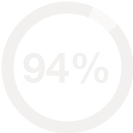
The Canadian Centre
for Addictions Success Rate

Did not show improvement after
The Canadian Centre for Addictions
Program

Presented in Normal ranges at start
of The Canadian Centre for Addictions
Program

Showed significant improvement after
The Canadian Centre for Addictions
Program

Frequently Asked Questions

How long does opioid withdrawal last?

Acute withdrawal from short-acting opioids like heroin or oxycodone typically peaks within 48 to 72 hours and subsides over 7 to 10 days. Longer-acting opioids such as methadone produce a slower onset with symptoms stretching two to three weeks. Post-acute withdrawal symptoms like cravings, sleep problems, and mood instability can persist for several months.

Can you die from opioid withdrawal?

Opioid withdrawal itself is rarely fatal, but complications can be life-threatening without medical supervision. Persistent vomiting and diarrhea cause dehydration and dangerous electrolyte imbalances. Aspiration of vomit can trigger pneumonia. Heart rate and blood pressure spikes pose serious risks for anyone with cardiac conditions.

What causes opioid addiction?

Opioids bind to receptors in your brain that control pain and reward. With repeated use, your brain reduces its own natural production of endorphins and adapts to expect the drug. This creates physical dependence, where you need opioids just to feel normal, and psychological dependence, where cravings persist even when you want to stop. Genetics, mental health conditions, prescription history, and social environment all influence how quickly this dependency develops.

Can you detox from opioids at home?

Home detox is extremely risky. Beyond the medical complications, your tolerance drops within days of stopping. If withdrawal becomes unbearable and you return to your previous dose, your body can no longer handle it. Medically supervised opioid detox uses medications like buprenorphine and methadone to manage symptoms safely while clinical staff monitor for complications around the clock.

Is medication-assisted treatment just replacing one drug with another?

No. Medications like methadone and buprenorphine stabilize brain chemistry without producing a high when taken as prescribed. They reduce cravings and block the euphoric effects of other opioids, which is why relapse rates drop by more than half when medication is part of the treatment plan.

What are the signs of opioid abuse?

Drowsiness or “nodding off” at odd times, constricted (pinpoint) pupils, frequent flu-like symptoms, mood swings, and sudden financial problems are common indicators. More specific red flags include running out of prescriptions early, visiting multiple doctors for the same condition, and hiding pill bottles or packaging.

What does opioid rehab treatment include?

Most programs begin with medically supervised detox, followed by individual and group therapy addressing the psychological and behavioural patterns behind your opioid use. Treatment typically incorporates cognitive behavioural therapy, relapse prevention strategies, family counselling, and aftercare planning. At the Canadian Centre for Addictions, programs run 30 to 90 days depending on addiction severity, with lifetime aftercare support following discharge.

Start Getting Better Now

Fill out the below form and get in touch with
a treatment specialist who can help


    Select your preferred time. We're available 24/7 to call when it works for you.